


Safeguarded AI
Backed by £59m, Safeguarded AI sits within the Trust Everything, Everywhere opportunity space and aims to demonstrate a world where we can use fleets of AI agents to model and verify critical cyber and cyber-physical systems, radically boosting societal resilience.
Our goal
AI agents can now write software at a pace that far exceeds human engineering capabilities. Our ability to verify whether that software is correct has not kept up. This gap is evident in software engineering today, but it will become equally pressing in a growing number of domains of science, engineering and decision making more broadly.
This programme aims to close that gap, enabling us to safely deploy AI to transform domains where trust, correctness, and fail-safety are essential.
To advance mathematical modelling and formal verification, we are building and testing an open-source assurance toolkit that lets fleets of AI agents produce formally verified artefacts at unprecedented speed and scale.
Our goal is to equip AI-produced code, control systems, and models with quantitative guarantees of correctness and fail-safety. We will demonstrate these capabilities in one or several critical cyber and cyber-physical domains, such as secure software and hardware, energy grid balancing, supply chain management, and clinical trial design.
If we succeed, we will be able to use AI safely in domains that currently require human-in-the-loop oversight, while simultaneously strengthening resilience – moving faster, across larger systems, and with stronger guarantees than human teams alone can provide.
We have updated our thesis (as of May 2026) to reflect the programme’s sharper focus: expanding the ambition and scope of TA1 ‘Tooling’, and applying these capabilities to high-impact cybersecurity challenges.
This pivot responds to the rapid advance of frontier AI capabilities and positions the programme where it can deliver the greatest impact: building a broader mathematical assurance toolkit and demonstrating its value in cybersecurity. You can access the original thesis in our programme updates below.
Technical areas
This programme is split into two technical areas (TAs), each with its own distinct objectives.
Tooling
We can build an open-source mathematical assurance toolkit that lets fleets of AI agents produce formally verified artifacts at unprecedented speed and scale.
Applications
AI-enabled formal methods can deliver high-impact efficiency and security gains when applied to real-world cybersecurity challenges.
Explore the latest funded projects
We’re funding eight research projects as part of TA2 Cybersecurity, to test whether AI-enabled formal methods can make high-assurance cyber defence practical at a scale previously out of reach. Projects target systems where machine-checked correctness would yield outsized, widespread resilience gains, from containing AI agents to protecting the code on millions of Android devices. Success could bring provable security to some of the world's most widely relied-upon software and hardware, while building durable UK capability at the intersection of formal methods and AI.
Meet the programme team
Our Programme Directors are supported by a core team that provides a blend of operational coordination and highly specialised technical expertise.
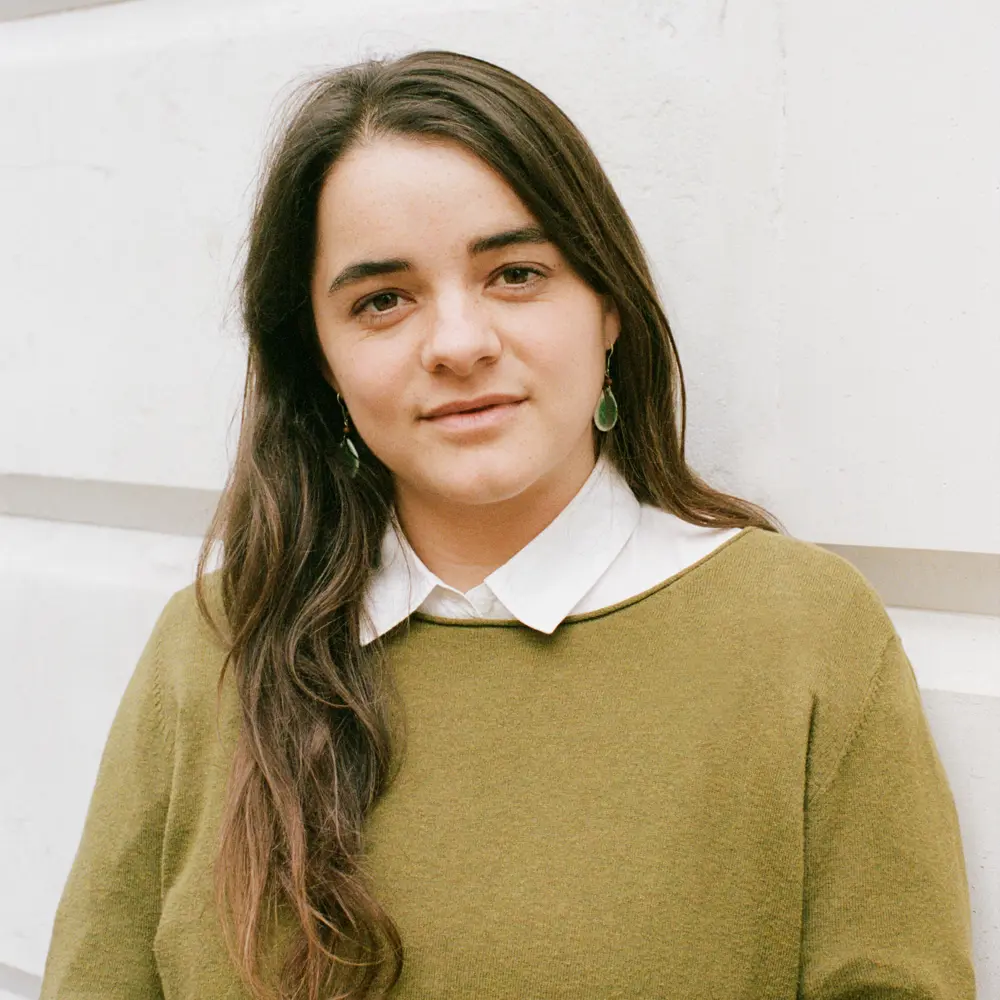
Nora Ammann
Programme Director
Nora has spent nearly a decade working on making transformative AI go well. Her work spans AI assurance – hardware guarantees, formal verification and the coordination needed for safety claims between untrusting parties. She previously founded Principles of Intelligence, bringing together AI researchers, neuroscientists, and physicists to study the foundations of intelligent behaviour.
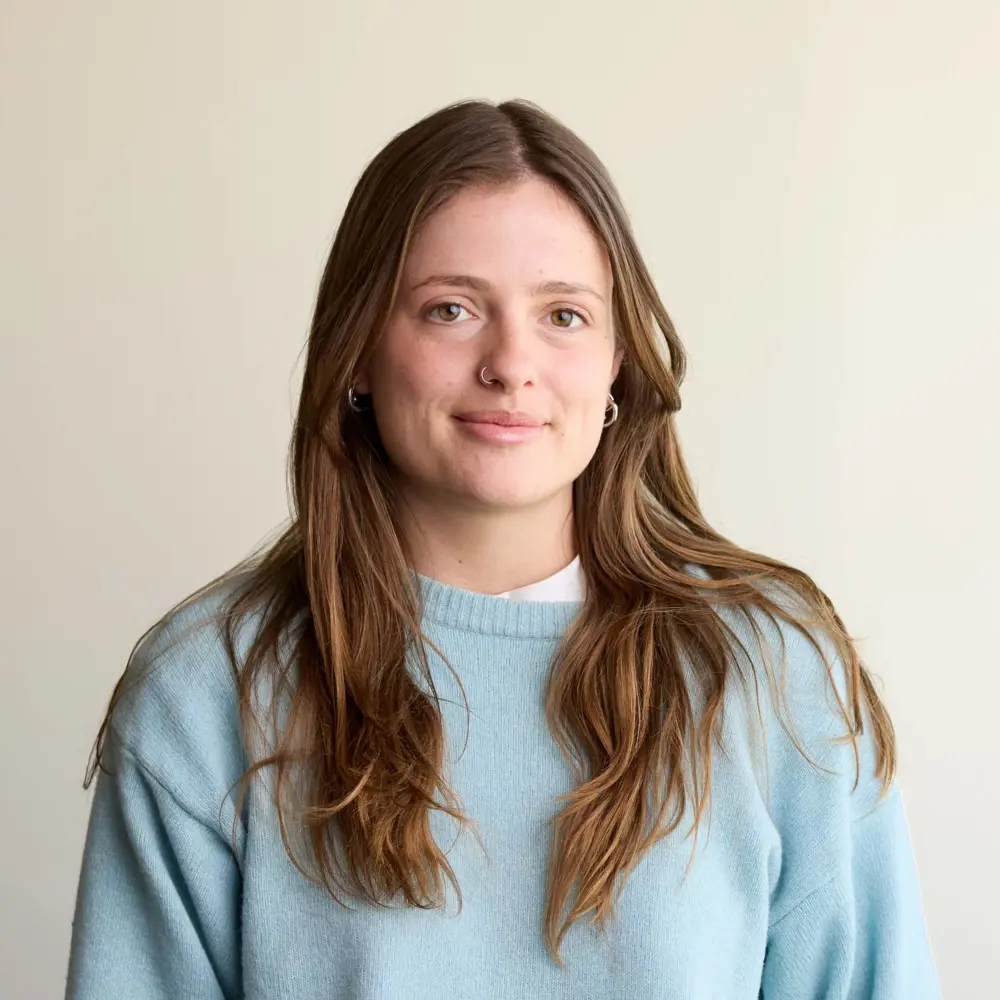
Maddy McInerney
Programme Specialist
Maddy joined ARIA from a background in scientific operations. Having previously held roles at the Global Pathogen Analysis Service and Public Health England, she brings experience in driving the delivery of high-impact research. She holds a BA from the University of Oxford and supports ARIA as an Operating Partner from Pace.
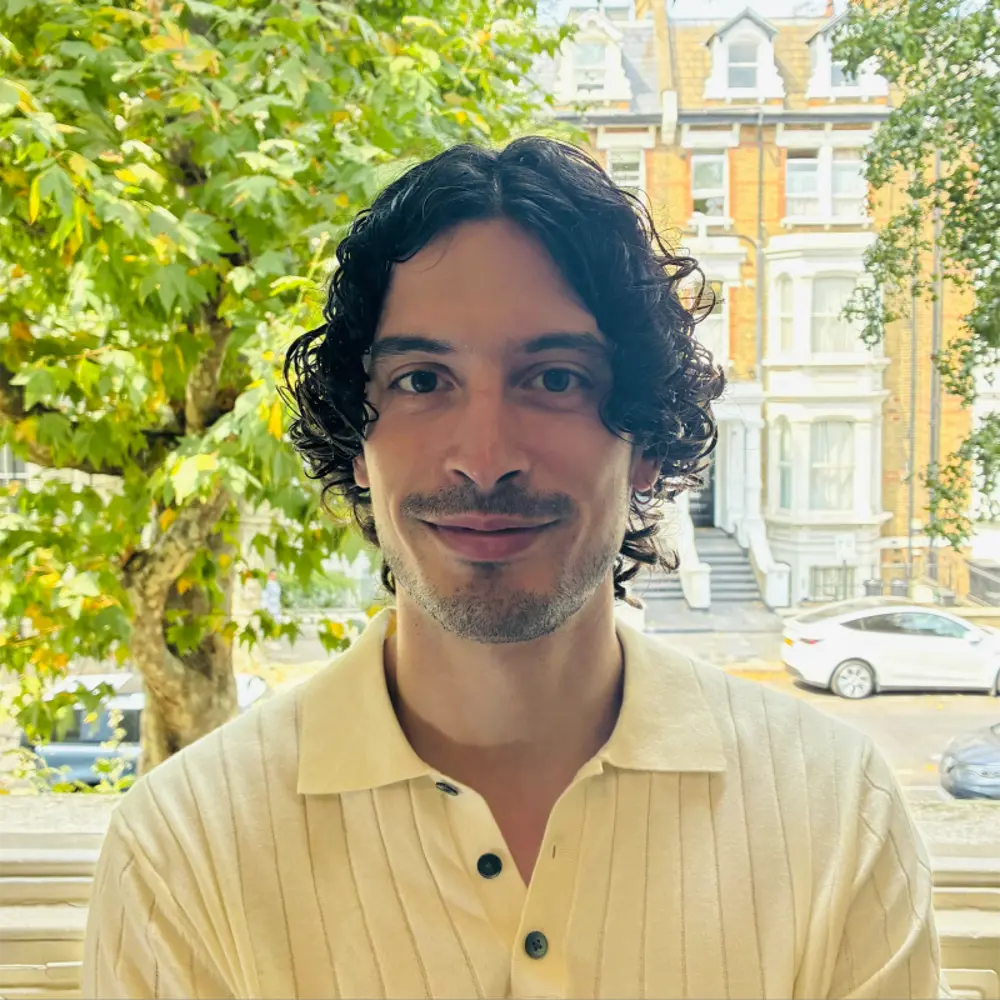
Agustín Martínez Suñé
Science + Technology Lead
Agustín's research sits at the intersection of formal verification and machine learning. Before ARIA, he was a Research Associate at the University of Oxford. He holds a PhD in Computer Science from the University of Buenos Aires and co-runs AISAR, a fellowship programme that builds AI safety research capacity. His goal is to advance the science of trustworthy AI and translate it into impact.
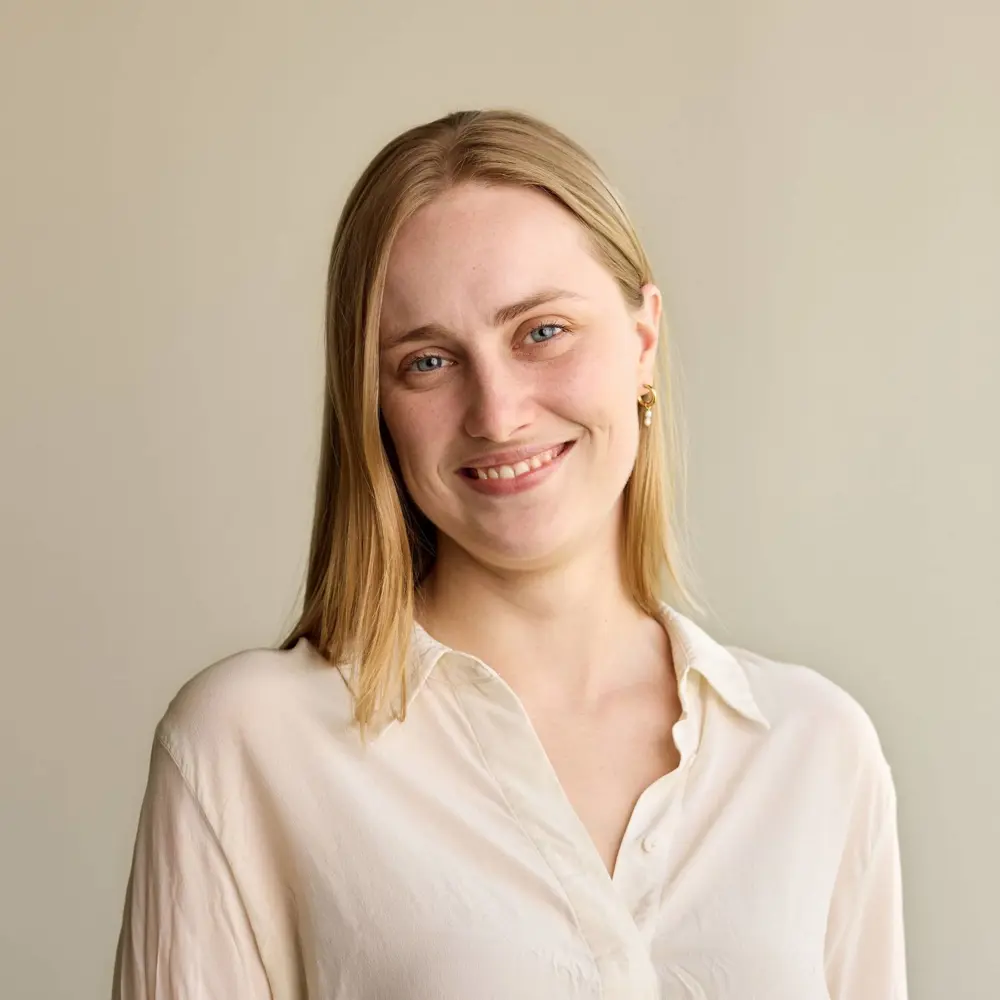
Izzy Foord
Programme Support
Izzy brings experience in product development, consumer insights and risk consulting at EY Auckland, where she supported remediation work for Healthcare New Zealand. At ARIA, she supports programmes through project management, logistics and operational delivery. Izzy supports ARIA as an operating partner from Pace.
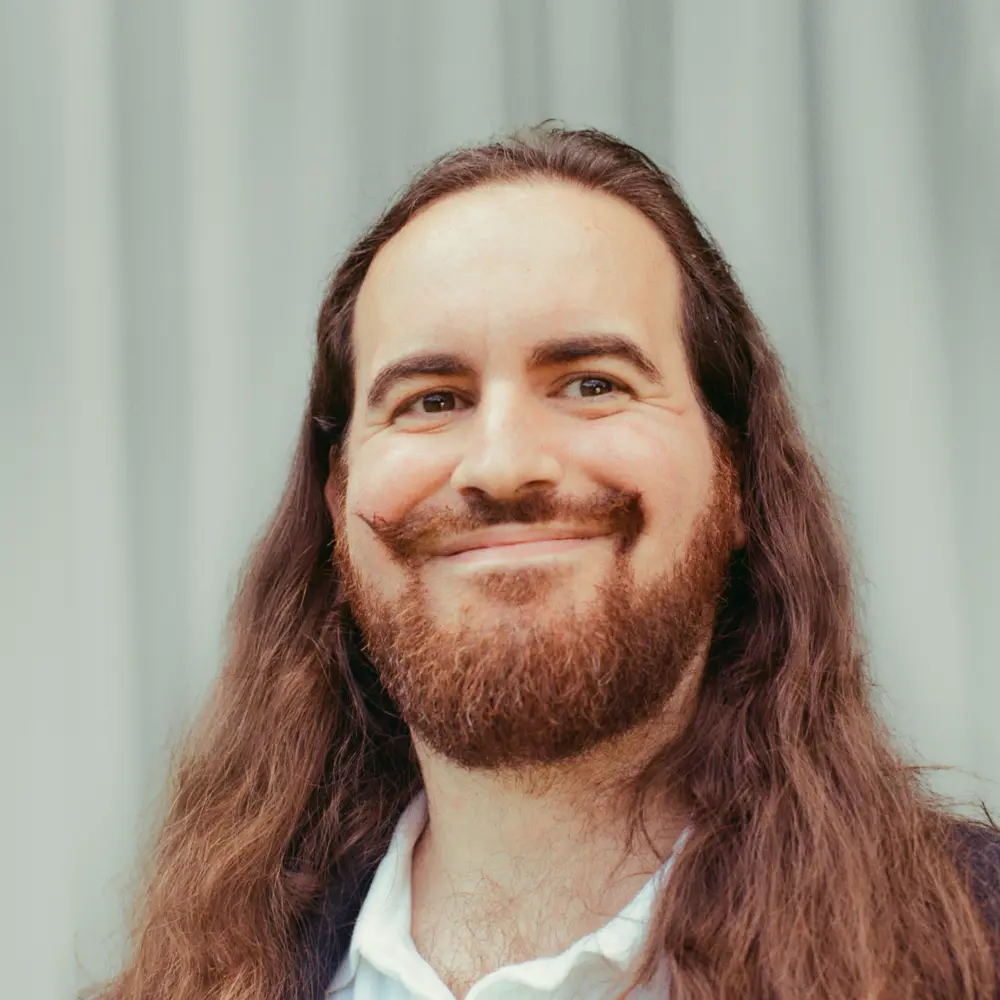
David 'davidad' Dalrymple
Technical Advisor
davidad is a software engineer with a multidisciplinary scientific background. He’s spent five years formulating a vision for how mathematical approaches could guarantee reliable and trustworthy AI. Before joining ARIA, davidad co-invented the top-40 cryptocurrency Filecoin and worked as a Senior Software Engineer at Twitter.
Creator spotlight: Improving the biopharmaceutical supply chain
Pharmaceutical supply chains are a cyber-physical operating context where AI could unlock transformative improvements, but safe deployment is critical. The SAILS (Safeguarded AI for Logistics and Supply Chain Management) team is researching how AI can make pharmaceutical supply chains more resilient and effective.
Led by Dei Vilkinsons and Ciaran Morinan, CEO and CTO of start-up HASH, they conducted interviews with more than 80 biopharmaceutical supply chain professionals, built a library and mathematical models of supply chain processes, and identified and validated the most promising applications of Safeguarded AI. They are actively working with industrial partners to build, test, and scale trusted and valued AI solutions that can reduce costs and deliver more drugs on time.
Featured insights
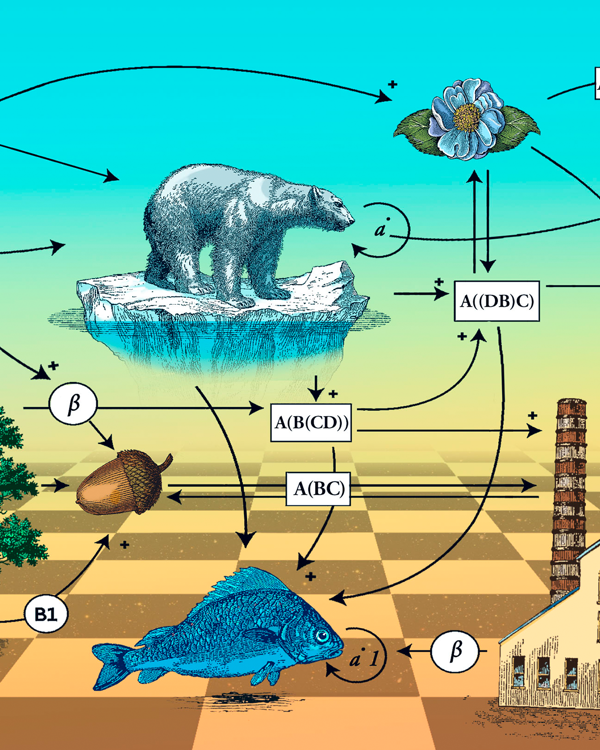
Can the most abstract math make the world a better place?
Quanta Magazine
Natalie Wolchover explores whether applied category theory can be “green” math.
Sign up for programme updates
Receive the latest updates from this programme, including funding opportunities, programme developments, events, activities and ways to get involved.