

Adaptive Machines
The physical world is complex and constantly changing, making it difficult for machines to find their way around and operate reliably. Intelligent machines that adapt to unpredictable environments can help humanity thrive.
Programme development
As we develop a new programme in the Adaptive Machines opportunity space, we’re sharing our current thinking in the form of a programme thesis. Subject to approval, we aim to open concept paper submissions in late 2026.
Ubiquitous Particle Profiling
Particulate matter is one of the least well-resolved features of the air around us, despite it having far reaching consequences for our environment and health.
The same particles that trigger respiratory disease, cancer and premature death also influence cloud formation, alter rainfall and swing the planet's energy balance, and aerosol-cloud interactions remain the largest single uncertainty in our climate projections.
Crucially, a particle's effect is dependent on its size, shape, chemistry and origin, not simply how much of it is present. Today, we can rarely see any of this detail in real time. Low-cost sensors can register that particles exist, but reduce them to a rough size and mass. The instruments that can identify what a particle is, and where it came from, are costly, delicate and mostly confined to the lab.
This programme will set out to make detailed particle profiling something we can do anywhere: compact, autonomous systems that read a particle's size, shape and composition in real time and trace it back to its source.
If successful, this programme will change particulate matter from an invisible threat to a measurable and actionable feature of the world around us. We aim to catalyse improved enforcement of existing regulations, increase our understanding of the human and atmospheric consequences of particulate matter, and as a result, shape the future global regulatory landscape which is critical to enable action.
We want to hear from individuals with relevant expertise – from aerosol chemistry to respiratory disease to air quality regulation – to provide constructive input, stress-test our thinking, and push our ambition even further.
Read the programme thesis Share your thoughts and sign up for teaming
Meet the programme team
Our Programme Directors are supported by a core team that provides a blend of operational coordination and highly specialised technical expertise.
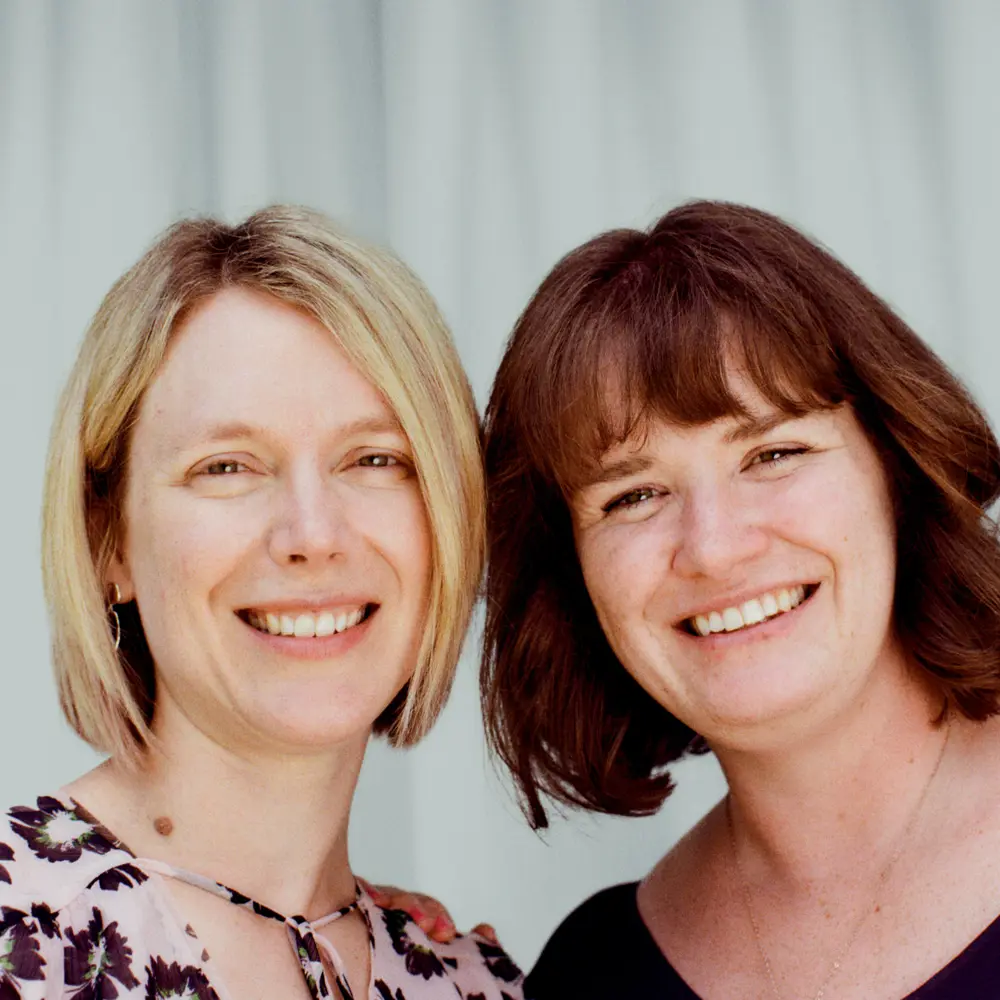
Gemma Bale + Sarah Bohndiek
Programme Directors
Gemma Bale and Sarah Bohndiek are biomedical physicists working as co-Programme Directors. They both joined ARIA from the University of Cambridge, where Gemma continues to lead teams working on non-invasive brain monitoring, and Sarah in optical imaging technology for earlier cancer detection.
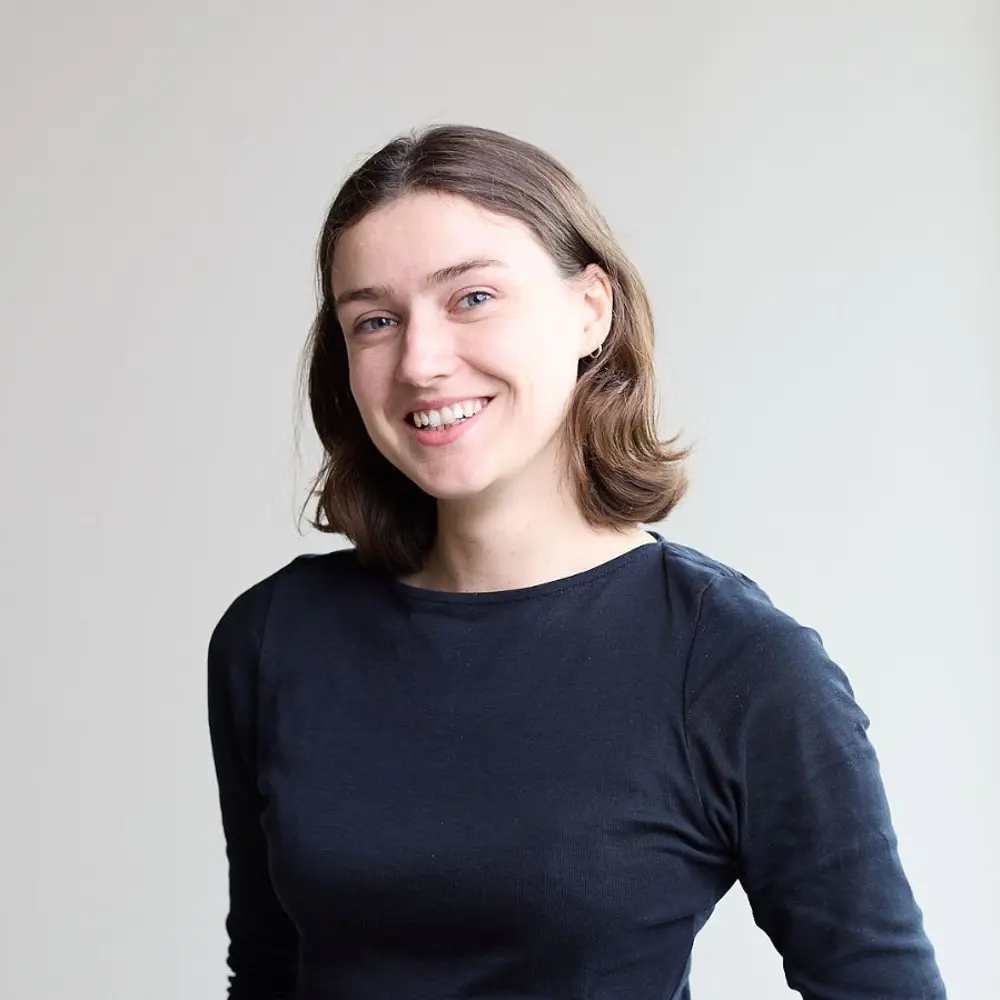
Annys Rogerson
Programme Specialist
Annys joins ARIA from a background in government AI and data strategy consulting, where she designed programmes for public-private data sharing and built digital products for UK government services in agile software teams. She holds a Master in Public Policy from the Hertie School of Governance, Berlin, and a first-class degree from UCL. Annys supports ARIA as an operating partner from Pace.
Sign up for programme updates
Receive the latest updates from this programme, including upcoming recruitment for a Science and Technology Lead, funding opportunities, programme developments, events, activities and ways to get involved.